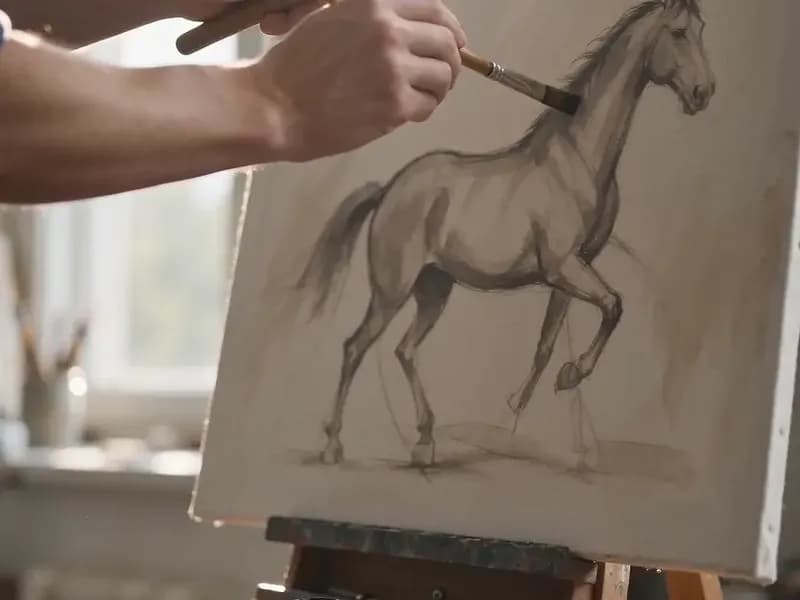
The horse as an eternal subject of art
From prehistoric caves to eighteenth-century anatomy studies, the horse has accompanied the history of human representation.
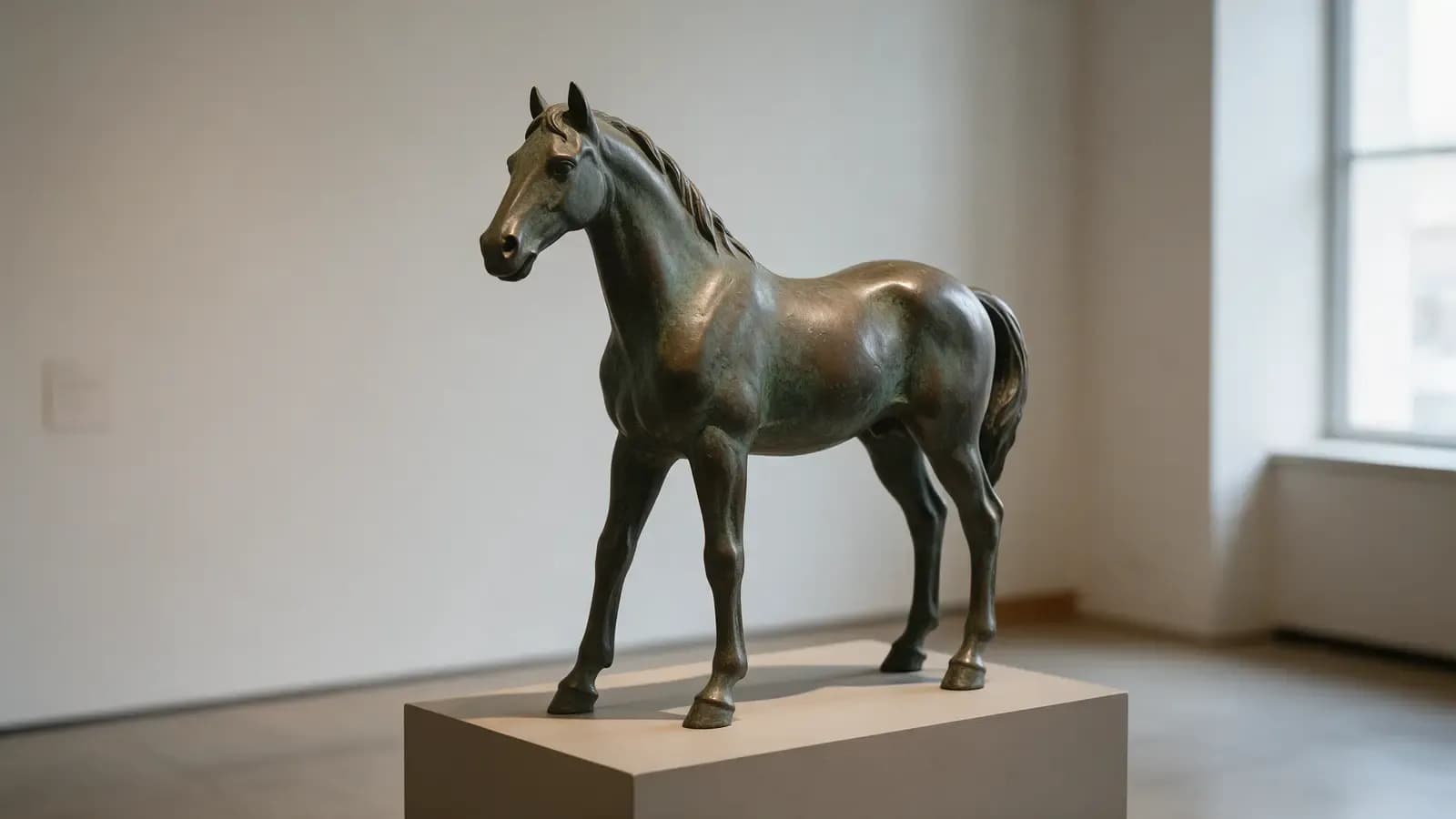
Long before writing, the horse was already on cave walls. The paintings at Lascaux and Chauvet, in France, show horses drawn with a vitality that still astonishes.
From the classical frieze to the equestrian portrait
In ancient Greece, the Parthenon frieze brought together dozens of horsemen in procession. Centuries later, the equestrian portrait became a symbol of power and prestige in the courts of Europe.
Anatomy as a language
In the eighteenth century, the English painter George Stubbs published The Anatomy of the Horse, the result of years of meticulous study. His work changed the way artists understood the animal’s muscles, bones and proportions.
To portray a horse is to try to capture strength and delicacy at the same time.
Today, painters, sculptors and photographers keep returning to the same subject, each searching for their own way to convey presence, movement and character.